Skip to content
TechBone
Android

Android: Turn Off Adaptive Brightness (Auto-Brightness) Manually

If your screen keeps getting brighter or dimmer even though you already moved the brightness slider yourself, Adaptive brightness is overriding your setting in the background. The feature reads the light sensor and constantly recalculates what it thinks is the right level for your surroundings. That behavior can feel unpredictable indoors, in changing light, or when you prefer a fixed brightness.

3 min3 steps
Version

Step by step

1 / 3

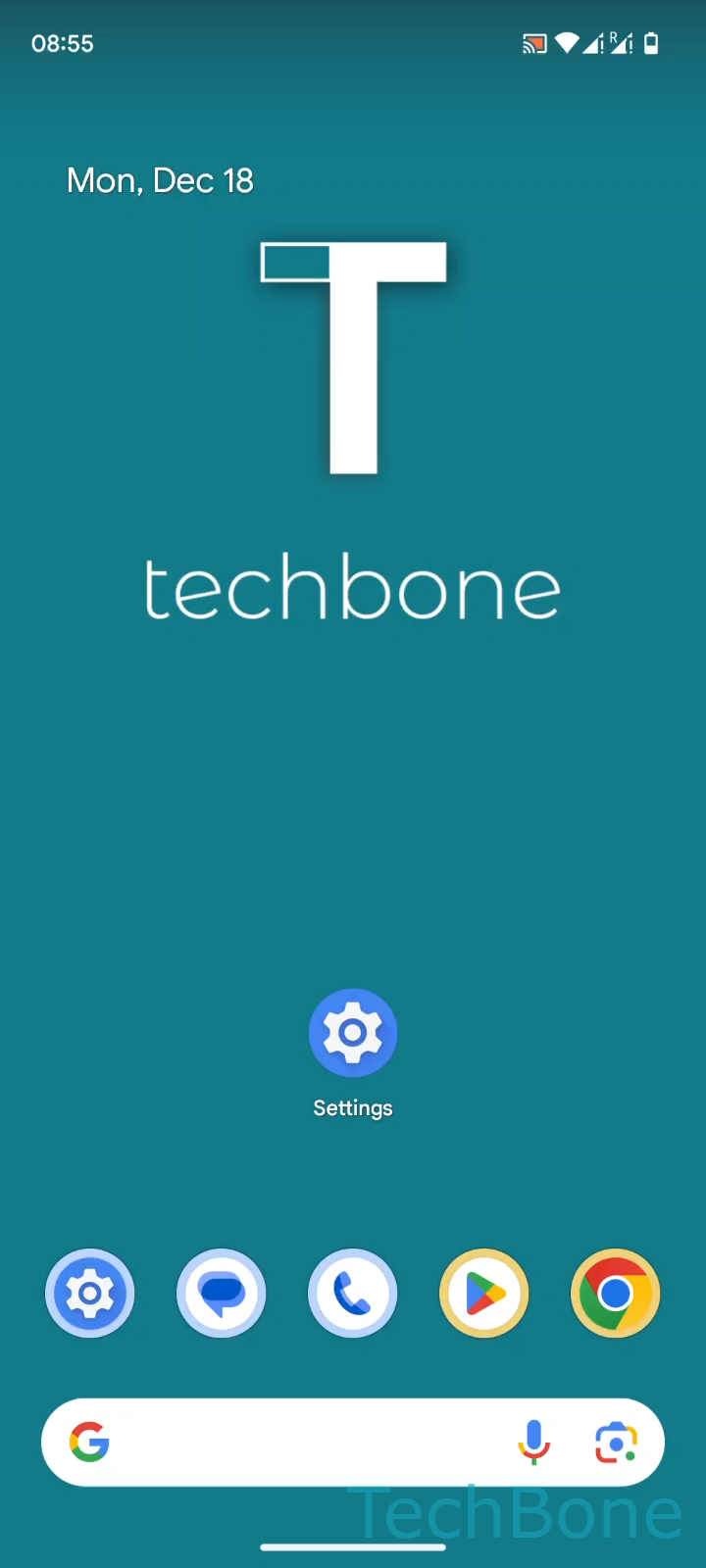
Step 1 of 3: Tap on **Settings**

1

Tap on Settings

Live simulator

Android 14 · Android 14
Turn On/Off Adaptive Brightness – Android 14: step 1 – Tap on Settings
Tap on Settings
1 / 3

Scroll or use the buttons for the next step

Feedback

Was the guide correct?

Help others: confirm the path or report a problem.

64

Confirmations

Forum verified this path

Android

Turn On/Off Adaptive Brightness auf Android

Adaptive brightness uses the light sensor near the front camera to measure the light around you and adjusts the screen automatically. It also learns from manual adjustments you make in certain lighting conditions, so the brightness level it picks can shift over time even without you touching the slider.

This is useful outdoors in bright sunlight or in a dark room at night, where manual brightness rarely keeps up. It becomes a problem when you want a stable, predictable brightness, when the sensor reacts to shadows or reflections, or when the screen dims too aggressively for reading.

To turn it off or back on:

Tap on SettingsTap on DisplayEnable or disable Adaptive brightness

With the toggle off, the brightness slider stays exactly where you set it until you change it again. Keep in mind that disabling it can increase battery use in bright environments, since the screen no longer lowers itself automatically when it is not needed.

Frequently asked questions

Yes, indirectly. With Adaptive brightness disabled, the screen stays at the brightness level you set manually, even outdoors in strong light. Running a higher brightness for longer periods uses more battery than letting the sensor lower it automatically.